Full CV
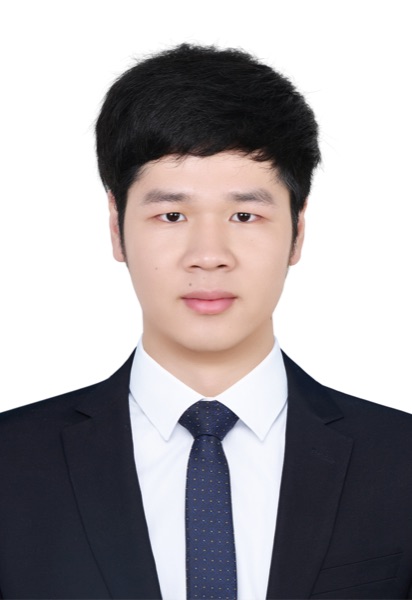
I am a PhD student in Software Engineering at the School of Computer Science and Engineering, Beihang University, in an integrated master’s–PhD program. I expect to graduate in June 2027. My research focuses on knowledge graph reasoning, data mining, and visual analytics.
Advisor:Lei Shi · Co-advisor:Yongxin Tong
- WeChat / Phone
- 13872530255
- cs.yesun@gmail.com
- Sunye_1287495769
- University email
- sunie@buaa.edu.cn
Education
Beihang University · Computer Science and Technology
- Bachelor of Engineering, School of Computer Science and Engineering.
- GPA: 3.67/4.00.
- Major-course scores: Mathematical Analysis (100), Software Engineering (98), and Deep Learning (94).
- Honors: First Prize, Beihang Mathematical Modeling Competition (2019); Third Prize, 30th Fengru Cup Science and Technology Competition (2020).
Beihang University · Computer Science and Engineering · Integrated master’s–PhD program
- Master’s stage: Sep 2021–Jun 2023; PhD stage: Sep 2023–Jun 2027 (expected), Software Engineering.
- GPA: 3.87/4.00; top 10% rank (9/143).
- Major-course scores: Data Mining (100), Algorithm Design and Analysis (94), Software Engineering (95), and Pattern Recognition (93).
- Honors: Graduate National Scholarship (2026); CSC Government Scholarship for Study Abroad (2025); First-Class Graduate Scholarship (2021, 2023, 2025, 2026); ACT Laboratory Academic Contribution Award (2026); Outstanding Intern (2022).
- Research focuses on knowledge graph reasoning and visualization, with seven CCF-A or equivalent papers, including three first-author CCF-A papers.
Research
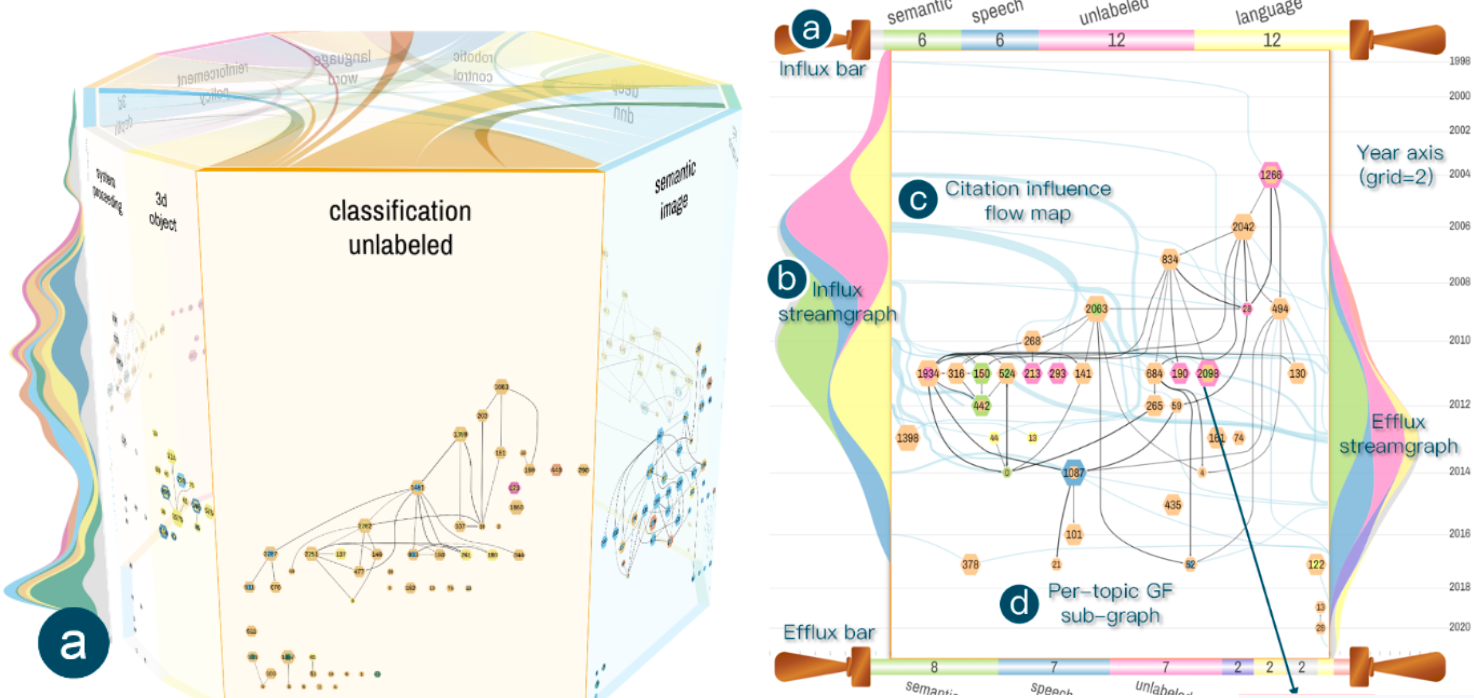
GeneticPrism: Multifaceted Visualization of Citation-based Scholarly Research Evolution (TVCG 2025, CCF-A)
- Combines topic modeling and citation graphs to analyze multi-topic scholarly evolution, and introduces IFHL (Integrated Flow Hierarchical Layout) to jointly represent within-topic citations and cross-topic influence.
- Designed the GeneticPrism overview and GeneticScroll detail views for linked exploration of topic overlap, temporal evolution, and cross-topic influence.
- Validated usability through case studies and a 20-person user study; the related GeneticFlow system is deployed online.
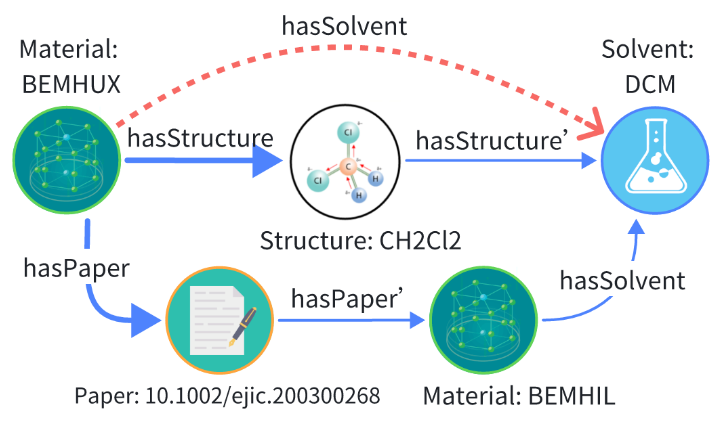
eXpath: Explaining Knowledge Graph Link Prediction with Ontological Closed Path Rules (VLDB 2025, CCF-A)
- Addresses local and semantically weak explanations for embedding-based knowledge graph link prediction by combining relational paths with ontology rules.
- Designs a path aggregation, rule-mining, and critical-fact selection pipeline: bidirectional BFS searches paths up to three hops, compresses them into relation paths, and mines Closed Path (CP) and Property Transition (PT) rules to rank explanatory facts.
- Across multiple benchmark datasets and link-prediction models, improves explanation-quality metrics by about 20% and reduces explanation time by 61.4%.
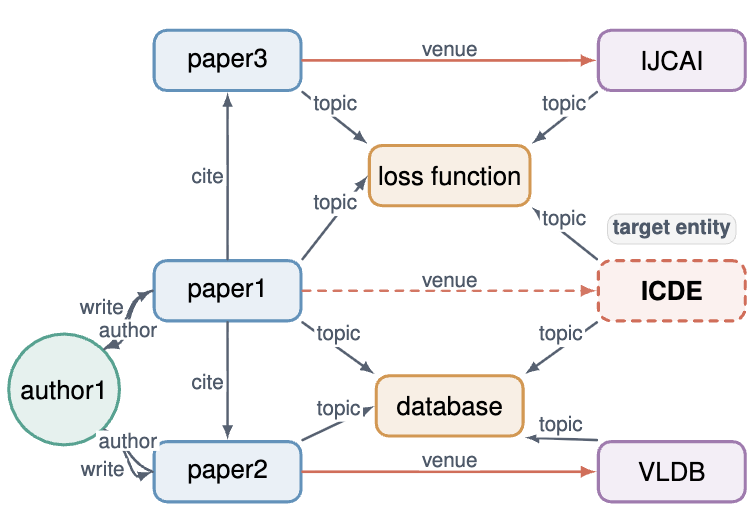
RuleDep: Modeling Complementarity and Redundancy in Rule Aggregation for KGC (ICDE 2027, CCF-A)
- Addresses the inability of independent rule aggregation to distinguish complementarity from redundancy by introducing sparse second-order dependency corrections with signed gains in log-failure evidence space.
- Designs dependency mining and two-stage training to combine rule evidence with interpretable dependency corrections; independently completed problem formulation, implementation, experiments, and paper writing.
- Across seven benchmark datasets, improves average MRR by 10.77% over LR-Agg on dependency-rich subsets while using approximately 24% of its average runtime.
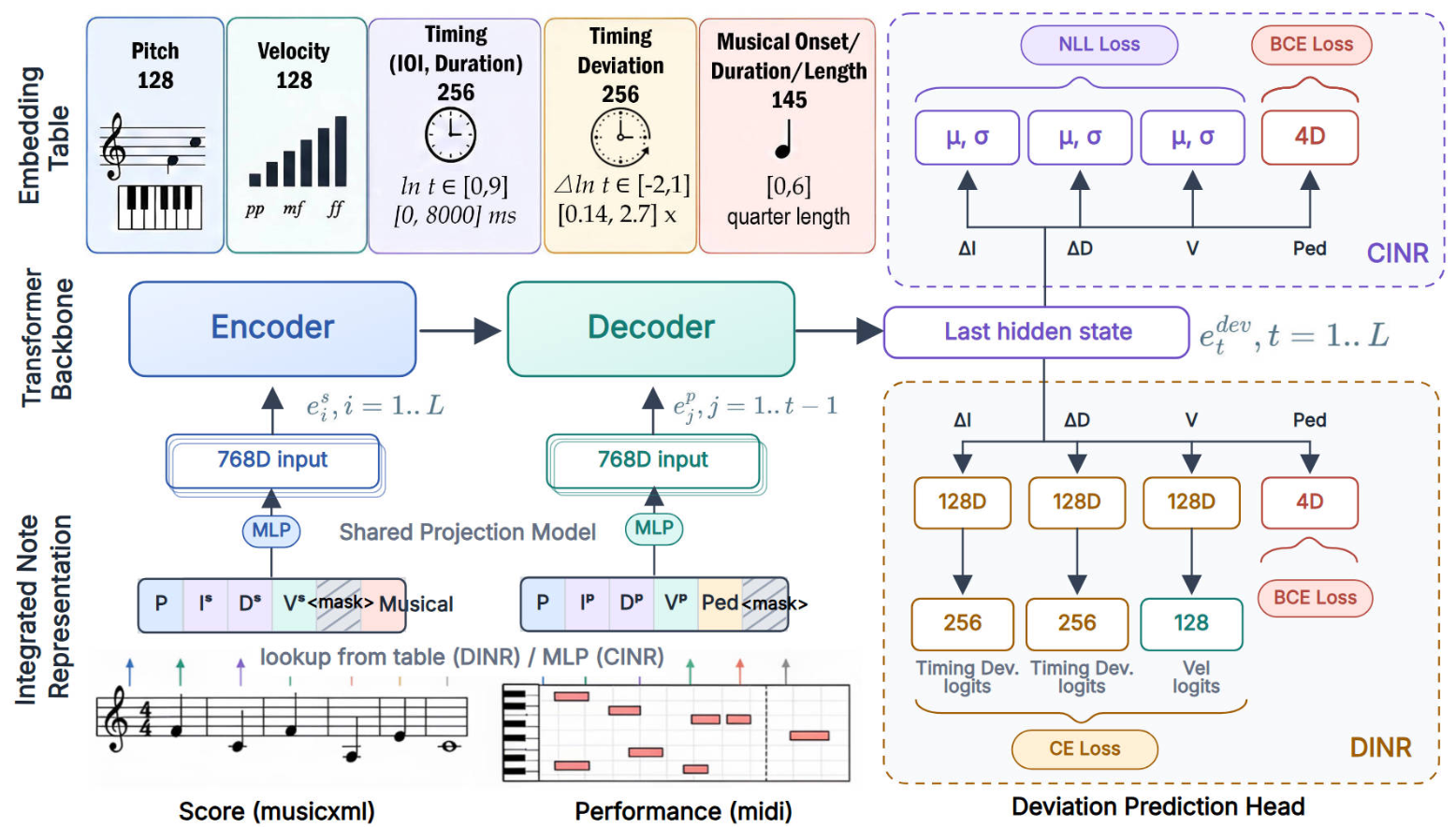
INSPIRE: INtegrated Score-to-Performance InterpRetation for Expressive Piano Rendering (AAAI 2027)
- Proposes Integrated Note Representation (INR) for expressive piano rendering, organizing pitch, timing, dynamics, pedal, and musical information into six typed slots fused into one Transformer timestep.
- Uses coordinate-augmented discrete representations and continuous distribution prediction for ordinal timing, duration, and velocity; score-relative timing deviations shorten autoregressive sequences while preserving expressive structure.
- On ASAP, CINR improves piece-level Human Relevance from 2.76 to 2.38 (13.8%) over Pianist Transformer; inference cost falls from 137.3 to 6.0 GPU-minutes on the same test task, over 20× faster.
Engineering
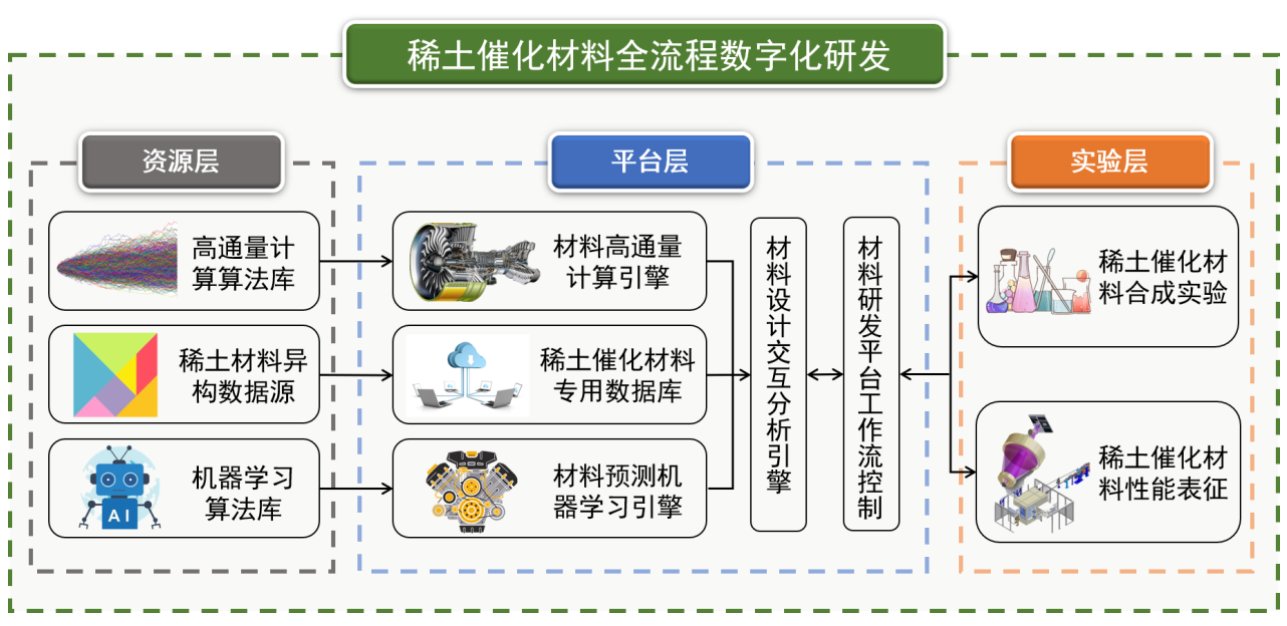
National Key R&D Program: Rare-earth catalysis knowledge graph and full-process digital R&D platform
- Led construction of the database and materials knowledge graph, participating throughout the project from proposal to acceptance and ensuring scheduled delivery reviews.
- Designed and built a multimodal materials database at the million-record scale with 46,701 synthesis conditions, integrating heterogeneous data.
- Applied the knowledge graph to synthesis-condition recommendation and knowledge discovery to support intelligent materials R&D workflows.
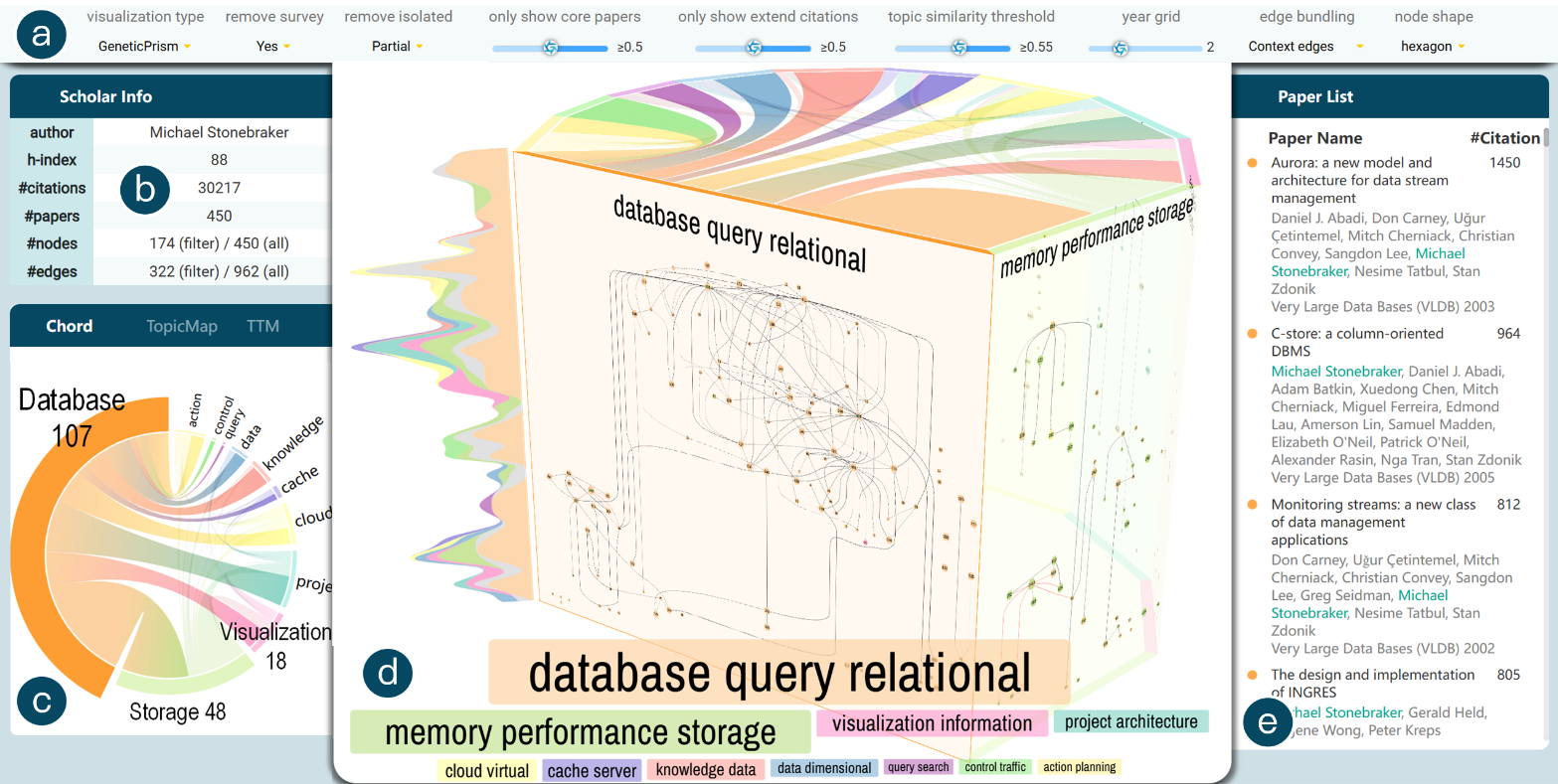
GeneticFlow V2.0 · Large-scale scholarly literature visualization system
- Led development of a multidimensional visualization system for million-scale scholarly literature, designing an integrated graph-layout and visual-interaction solution.
- Compiled Graphviz C++ source code into a browser-side layout component, connecting graph-layout computation with front-end visual interaction, and independently completed full-stack development and operations.
- The system has served 110,419 users worldwide, supported 540,440 visits, and received software copyright registration. ACM Fellow Ion Stoica commented: “This is interesting, especially the visualization.”
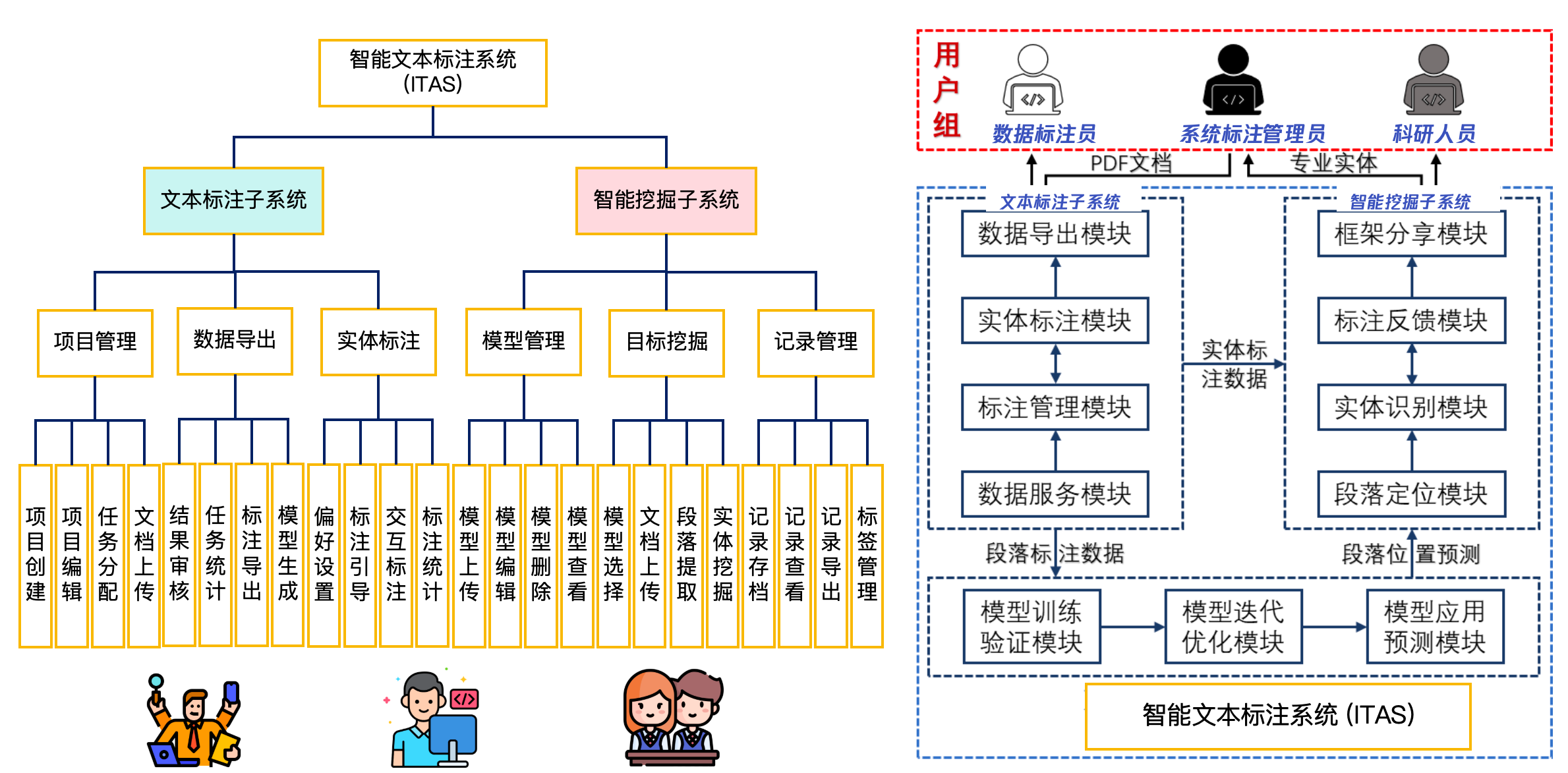
Multi-domain intelligent text annotation and information extraction system for scientific literature
- Mapped the scientific-literature knowledge-production chain and designed an end-to-end flow from document processing through annotation and review to intelligent mining and structured export, defining configurable annotation and mining subsystems and coordinating cross-module delivery.
- The system supports batch PDF upload, paragraph and entity-annotation review, LLM model and extraction-parameter configuration, and storage or export of annotation data and extraction results.
- Applied in MaterialBrain research, a BM25-retrieved few-shot synthesis-condition extraction pipeline achieved macro-F1 0.94 across three MOF datasets, a 22.1% improvement over the zero-shot baseline at 0.77; on MOF framework-density inference, it improved 32.9% over zero-shot.
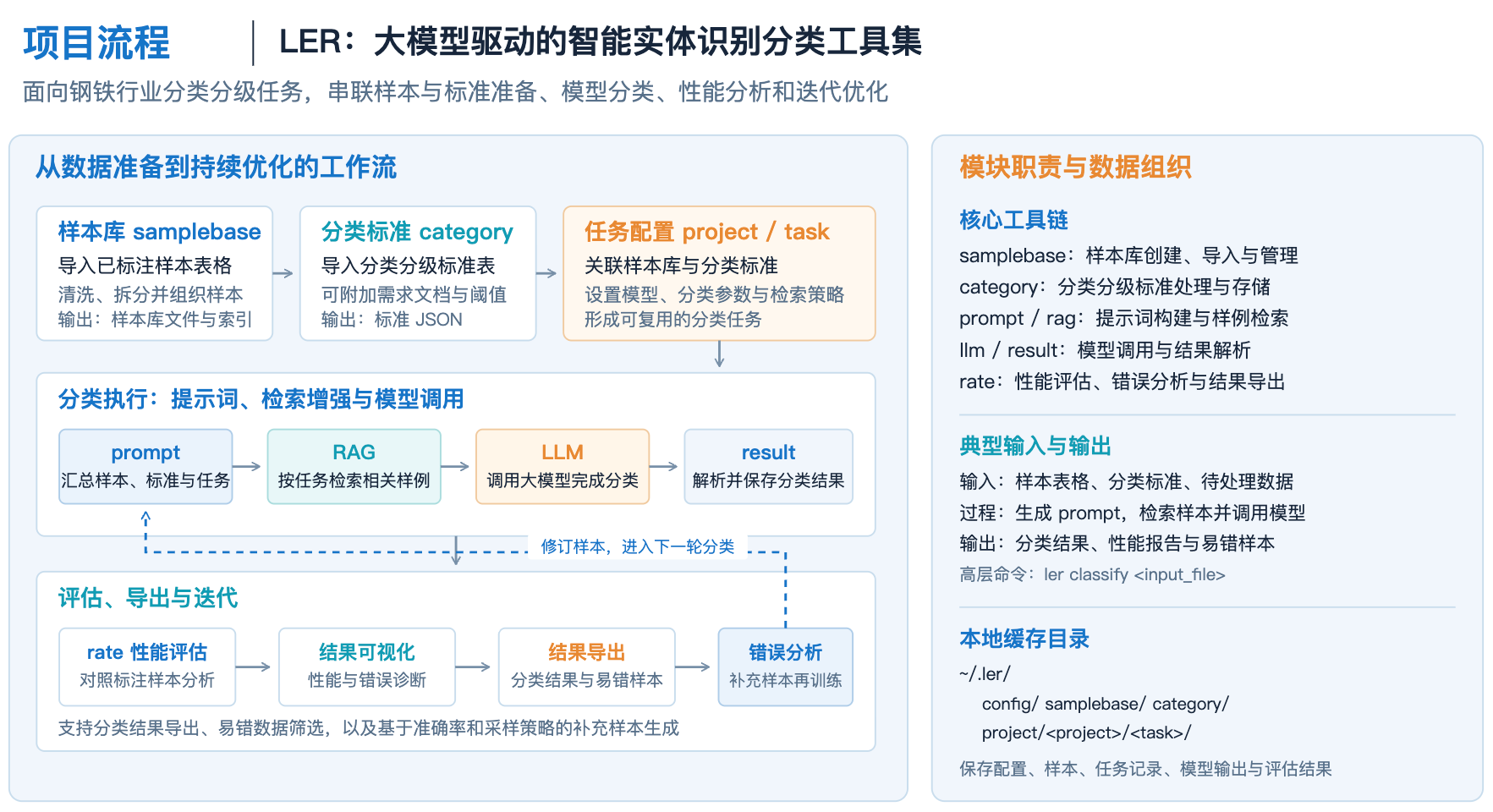
University–industry collaboration project: Research-agent-based data classification
- Led development of LLM-based entity-recognition tools and built a RAG-driven data-classification and grading system for automated sensitive-data annotation and dynamic refinement.
- Supports sample-library, classification-standard, project, task, and environment management, with five core modules for prompt generation, model interfaces, RAG, result processing, and performance evaluation.
- Applied across steel production, education, and other domains, with a database exceeding 100,000 records. The team was recognized among Beihang University’s Top 10 Outstanding Teams in Artificial Intelligence.
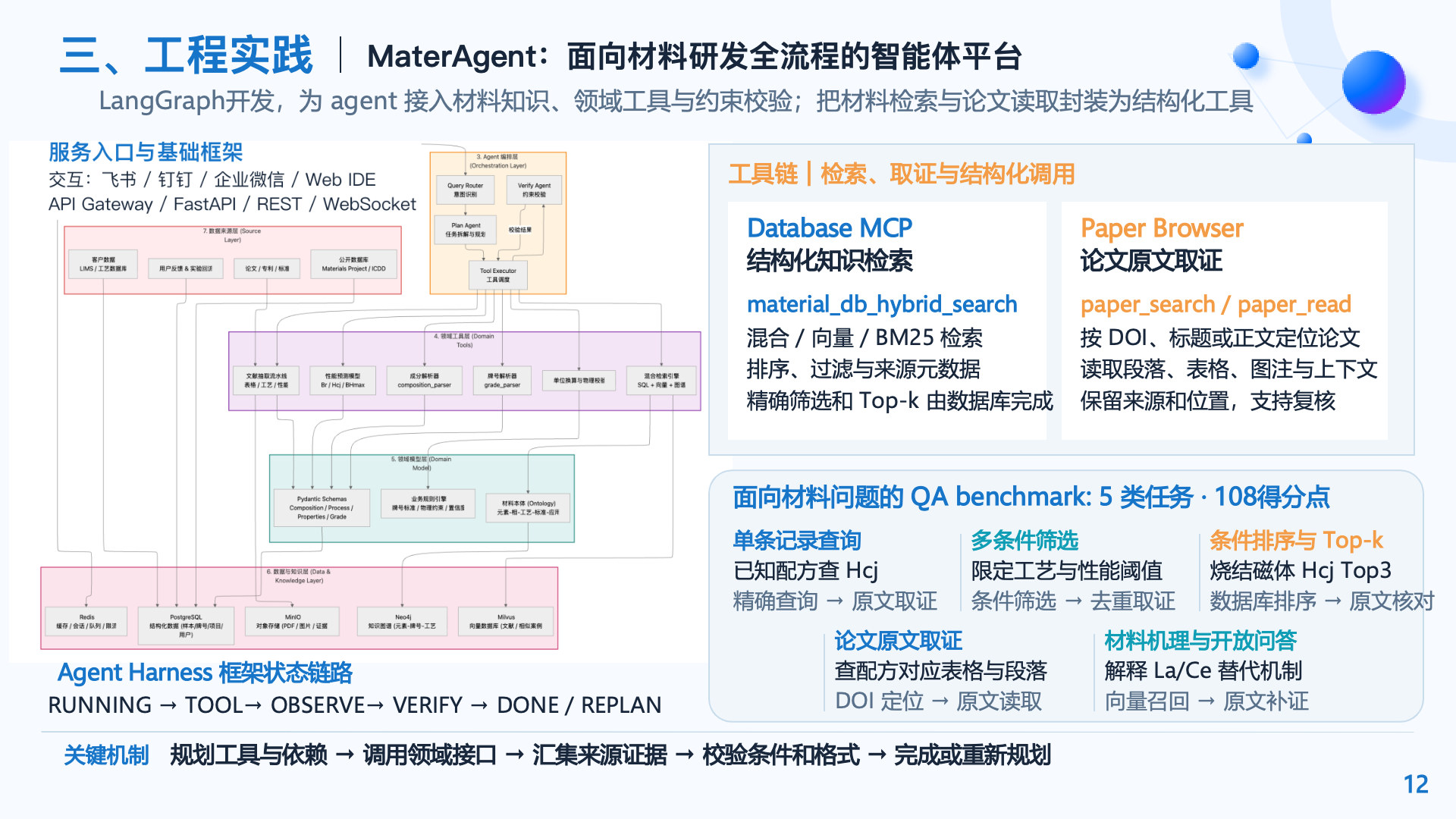
MaterAgent: Agent platform for the full materials R&D process
- Developed a LangGraph-based Agent Harness with an Agent Loop for task planning, tool execution, observation, answer verification, and iteration; extended runtime, session-state management, and tool registration and discovery into a unified execution framework for literature research, database analysis, property prediction, and formulation design.
- Designed and developed MCP tools: Paper Browser (keyword paper search and chapter, paragraph, and table evidence retrieval); Database (BM25 and dense retrieval with structured filtering and ranking, returning retrieval scores and metadata); also developed NL2SQL, property-prediction, and formulation-optimization tools.
- Built a materials QA benchmark covering five task classes—constrained filtering and ranking, process summarization, paper evidence retrieval, and mechanism analysis—with 108 scoring points and a 99.08 score.
Internships & Research Visit
Technical University of Munich · Visiting PhD Student
- Conducted a research visit at TUM, ranked 26th globally in QS, focusing on knowledge graph visualization and graph drawing with support from the CSC Government Scholarship.
- Worked with Prof. Stephen Kobourov to survey knowledge graph and ontology visualization, independently writing and submitting a survey paper to EuroVis STAR.
- Led rule-based knowledge graph reasoning research with Prof. Maribel Acosta, designing and implementing RuleDep, accepted at ICDE 2027.
SenseTime · AI Full-Stack Engineering Intern
Contributed to the Miaohua AI-drawing system, designing and implementing back-end APIs for stable, efficient service. Led a Discord bot project integrating the core drawing APIs; its server served more than 10,000 users.
SenseTime · Model Toolchain Intern
Contributed to training-cluster scheduling tools and led development of the spring.remote command-line tool for remote cluster login and management, as well as system monitoring tools. Received an Outstanding Intern award for this work.
Technical Skills & Languages
- Programming languages
- Proficient in Python, Java, and C/C++; familiar with Kotlin/JVM.
- Machine learning
- Familiar with machine-learning principles and PyTorch, scikit-learn, and Transformers.
- Systems and back-end development
- Familiar with Linux administration, shell scripting, and Docker; development experience with Flask, Django, MySQL, and PostgreSQL.
- Front-end and visualization
- Familiar with JavaScript, HTML, CSS, D3, and Vue; completed computer graphics coursework and served as a visualization course teaching assistant.
- English
- TOEFL 105; GRE 327.